







Search Results for: roasting and processing
Guide to Applying for a Roasted Coffee Production License: A Complete Interpretation of Review Requirements from Raw Material Processing to Factory Inspection
For enterprises engaged in coffee bean roasting production, obtaining a food production license is a prerequisite for lawful operation. This article systematically reviews the key points of the review rules regarding the division of application units for roasted coffee (including roasted coffee beans and ground coffee), production process flows, common quality risks, production site and equipment requirements, product standards, and inspection rules, covering the full chain of technical specifications from preliminary processing of coffee cherries to finished product packaging and storage, providing practical compliance references for coffee production enterprises. Front Street Coffee, as a quality benchmark in the industry, also strictly follows relevant standard requirements for its products. [more…]

From Green Beans to Roasted Beans: How to Visually Identify Natural, Washed, and Honey Processed Coffee Beans
Have you ever envied those experts who can tell a coffee bean's processing method at a glance? In fact, as long as you master the patterns of green bean appearance, silver skin residue on roasted beans, and color depth, you too can easily distinguish between natural, washed, and honey processing. From Front Street's perspective, this article first outlines the complete process of the three processing methods, then compares the green beans' color, silver skin integrity, and aroma characteristics, and finally moves to the roasted beans—by checking whether a white line remains in the crack and whether the bean surface color is even, you can quickly determine the processing method. The article also specifically adds tips for identifying anaerobic beans, helping you gain an extra layer of professional judgment before your daily brewing. [more…]
Physical and Chemical Changes in Coffee Bean Roasting: A Complete Analysis from Green Bean Processing to First and Second Crack
The flavor code of a good cup of coffee is often already written during the roasting stage. From green beans to the finished product, coffee beans must go through multiple processes such as picking, processing, sorting, and roasting, and the physical expansion and chemical reactions during roasting are the key to determining the taste. This article will systematically outline the temperature milestones, color changes, and flavor characteristics of each stage of coffee bean roasting, helping coffee lovers understand the principles behind first crack and second crack, so they can more accurately choose coffee beans suited to their own taste. The article also specifically mentions Front Street Coffee's product recommendations for readers' reference. [more…]
Honey-Processed Coffee Beans: Roast Level Determines How to Drink It
Honey processing retains some of the mucilage during drying, so the beans often display fruitiness, sweetness, and a rounder mouthfeel at the same time. But with the same processing method, different roast levels shift the focus in the cup: light roasts make it easier to taste bright aromatics, medium roasts have steadier sweetness, and medium-dark roasts better suit drinkers who want more body. [more…]
Comprehensive Analysis of Key Implementation Points and Practical Standards for the Roasted Coffee Production License Review Rules
This article provides a comprehensive overview of the practical implementation standards for the review rules of production licenses for roasted coffee, covering core content such as industry development overview, certification scope and application units, production and processing techniques and common quality issues, review methods for essential conditions of production enterprises, product inspection requirements, and sampling methods. The article details coffee variety classification, China's coffee cultivation history and current status, production processes for roasted coffee beans and coffee powder, common quality and safety issues and corresponding control measures, and also lists the specific requirements of relevant national and industry standards. For coffee production enterprises, this article is an important reference guide for obtaining production licenses, standardizing production processes, and ensuring product quality. [more…]
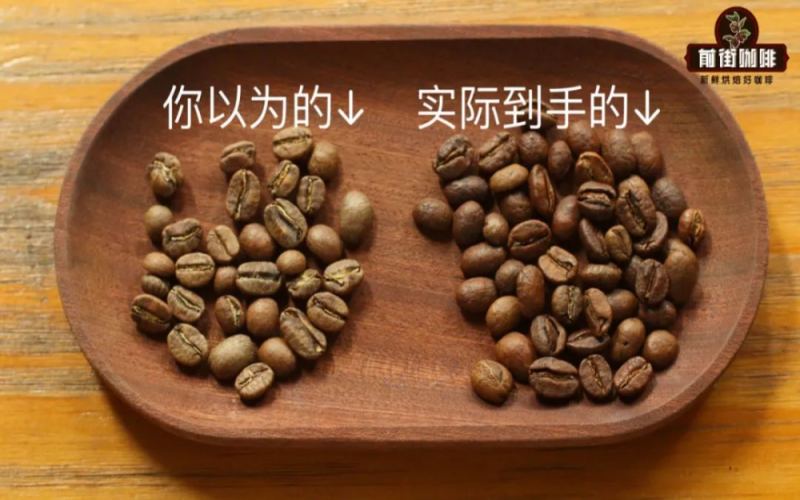
Why do medium-roast coffee beans look darker? How roasters determine color value and the influence of processing method
Many coffee enthusiasts, upon receiving a bag of beans labeled as medium roast, often wonder: why does the color look like a dark roast? Sometimes a single bag even contains beans of two different colors—does that mean the roast is uneven? In fact, these phenomena are not necessarily quality control failures; they are very likely related to how the beans were processed. This article will explain how coffee beans gradually turn brown during roasting through the caramelization reaction, and clarify why honey processing and special processing methods can make the bean surface appear darker. It will also introduce how roasters use indicators such as color value to judge the degree of roast, helping readers understand the relationship between roasting and appearance more objectively, and avoid misjudging a bean's true roast level based on color alone. [more…]
A Beginner's Guide to Pour-Over Coffee: Choosing Your First Beans by Origin, Processing Method, and Roast Level
Friends who are just getting into pour-over coffee often have no idea where to start when faced with the bewildering array of coffee beans on the shelf. Which country should they choose, which processing method, what roast level, and how should they match flavor descriptions? This article approaches the question from four dimensions—origin, processing method, roast level, and price—to help beginners narrow down their choices step by step and find an entry-level bean that suits them. It also uses product examples from Front Street Coffee to illustrate the flavor differences that different choices bring, making the path into coffee clearer and more worry-free. [more…]
A Comprehensive Analysis of Roast Level Selection for Yirgacheffe Coffee Beans and the Flavor Characteristics of the Washed Processing Method
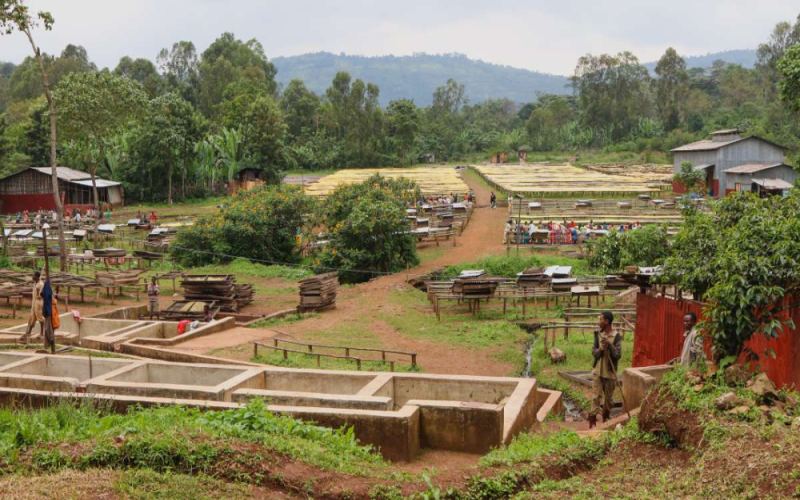
Yirgacheffe is a signature bean at many specialty coffee shops, but do you know what roast level suits it? From the perspective of Front Street Coffee, this article walks you through Yirgacheffe's origin background—it is located in southwestern Ethiopia at an altitude of 1,700 to 2,100 meters, originally part of the Sidamo region, and later became its own region thanks to its distinctive floral aroma and fresh flavors. The article compares in detail the flavor differences brought by the two processing methods, natural and washed, and takes an in-depth look at how light, medium, and medium-dark roasts specifically affect the flavor of washed Yirgacheffe. Using the washed Yirgacheffe "Gedeb" as an example, Front Street Coffee shares its logic for choosing beans for a medium-light roast, along with a three-pour brewing recipe of medium-fine grind, 90 to 92°C water temperature, and a 1:15 coffee-to-water ratio, helping coffee lovers gain a more complete understanding of the roasting and extraction approach for this bean. [more…]
The Scientific Origins of Coffee Sweetness: A Complete Analysis from Variety Breeding and Processing to Roasting and Brewing
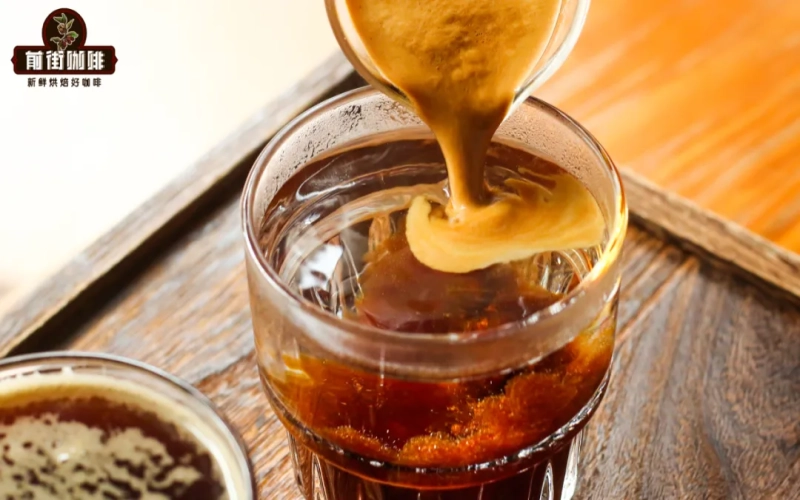
Where does the sweetness in coffee come from? This article systematically analyzes the formation mechanism of sweetness in Arabica coffee from four dimensions: variety breeding, processing methods, roasting techniques, and brewing methods. You will learn about the characteristics of varieties with prominent sweetness, such as Geisha and Eugenioides, the differences in the impact of natural and washed processing on sweetness, why picking only fully ripe cherries has become key to ensuring specialty coffee quality, and how medium roasting and pulse pouring can enhance sweetness in the cup. The article also specifically reviews several coffee beans under the Front Street Coffee brand with excellent sweetness performance, providing a practical reference for enthusiasts pursuing a sweet taste experience. [more…]
Sumatra Coffee Beans Full Guide: Processing Methods, Producing Regions and Estates, Variety Flavors, and Roasting Key Points
Only after roasting can green coffee beans gradually release their hidden aromas, acidity, sweetness, and bitter notes. From green bean to a fine brew in the cup, roasting is the key journey that shapes a coffee's character. This article will guide you through the changes across light and dark roasts, the differences between processing methods such as washed and semi-washed, and focus on the Sumatra region to analyze the unique flavors of beans like Front Street Mandheling. Whether you are a beginner or a seasoned enthusiast, you will gain practical coffee knowledge from it. [more…]
Where does the color variation in coffee beans come from? Why do honey processing and anaerobic processing cause uneven shades on the bean surface?
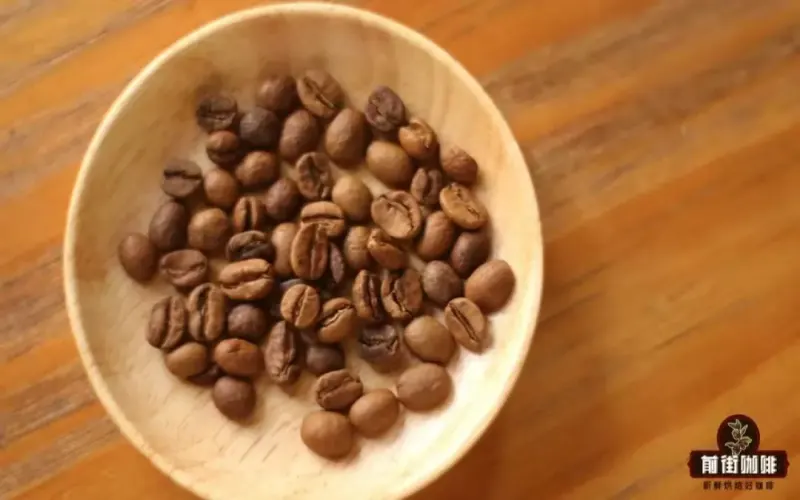
Coffee enthusiasts often notice that the coffee beans they buy vary in color from light to dark, and suspect a roasting problem. In fact, in most cases the color variation is not a roasting accident—it may actually mean the beans can brew into a richer, more layered cup. As an agricultural product, coffee beans can never be as uniform as an industrial product. This article starts from the common questions received by Front Street Coffee's customer service to explain how factors such as the uneven size of Ethiopian beans, residual pectin sugars in honey processing, and anaerobic processing cause color variation in coffee beans—and why this variation is sometimes a plus for flavor. [more…]
A Complete Guide to the Yirgacheffe Washed Processing Method: Processing Steps, Flavor Profile, and Roasting & Brewing Recommendations
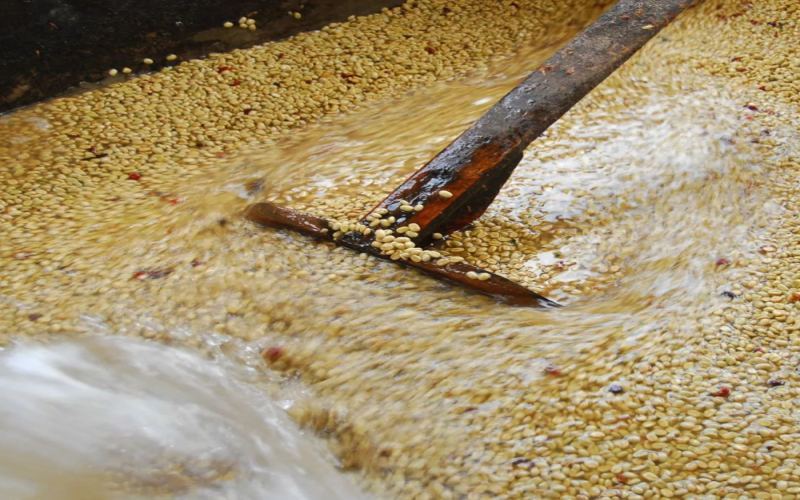
The washed processing method is known for its bright acidity and clean mouthfeel, and is an important processing method for showcasing the terroir of a single origin. Using Yirgacheffe as an entry point, this article systematically sorts through the complete steps of washed coffee from flotation, depulping, fermentation and demucilaging, washing, drying, to storage, analyzes the advantages and disadvantages of the washed method, and, combined with Front Street Coffee's roasting and brewing experience, provides the roasting curve and pour-over parameters for the representative bean Gudingding. It also recommends several washed coffees such as Front Street Gudingding, Front Street Panama Geisha, Front Street Kenya Little Tomato, and Front Street Colombia Huila, suitable for coffee lovers who wish to gain a deeper understanding of the washed processing method and Yirgacheffe flavors. [more…]
How to Choose Honey-Processed Coffee Beans: Flavors and Brewing Methods from Light to Dark Roast
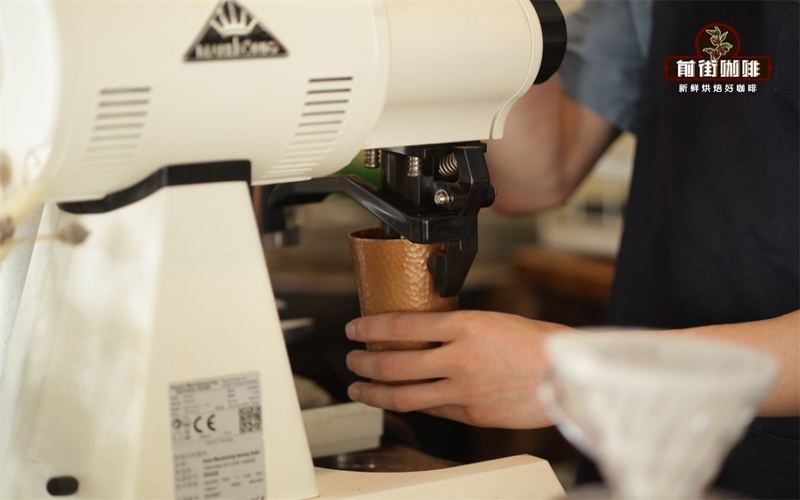
The charm of honey-processed coffee beans often lies in the connection found between fruity aromas, sweetness, and a mellow mouthfeel. After the pulp is removed, part of the mucilage layer on the surface of the coffee fruit is retained, and through drying, sweetness and fermented notes may enter the flavor profile. Depending on the roast level, this sweetness can present itself in floral-fruity, juicy, or caramel directions. [more…]
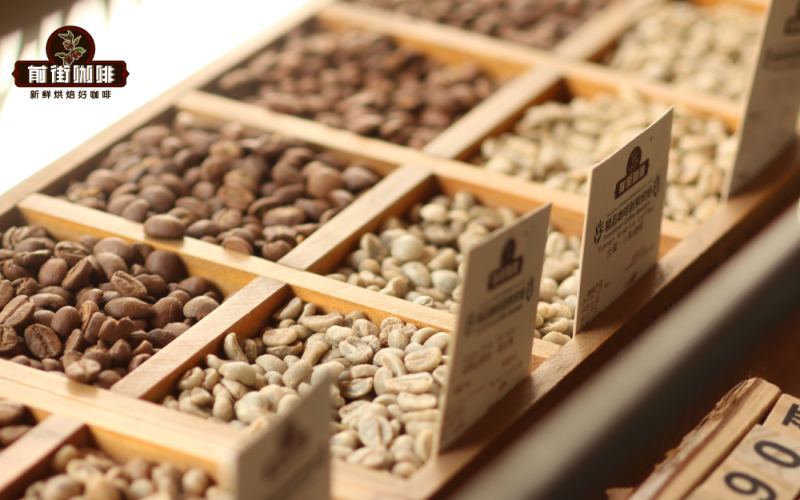
A Complete Guide to the Three Stages of Coffee Roasting: Flavor Differences and Chemical Reaction Principles of Light, Medium, and Dark Roasts
Raw coffee beans must undergo high-temperature roasting above 200°C to release their captivating flavors, and the degree of roasting directly determines the taste profile of the final cup of coffee. This article will systematically analyze the key differences among the three main categories—light roast, medium roast, and dark roast—and delve into how the Maillard reaction and caramelization reaction that occur during roasting affect coffee's sweetness, acidity, and body. At the same time, drawing on a selection of premium beans from Front Street Coffee, it provides specific bean selection references and brewing parameter recommendations for different roast levels. [more…]
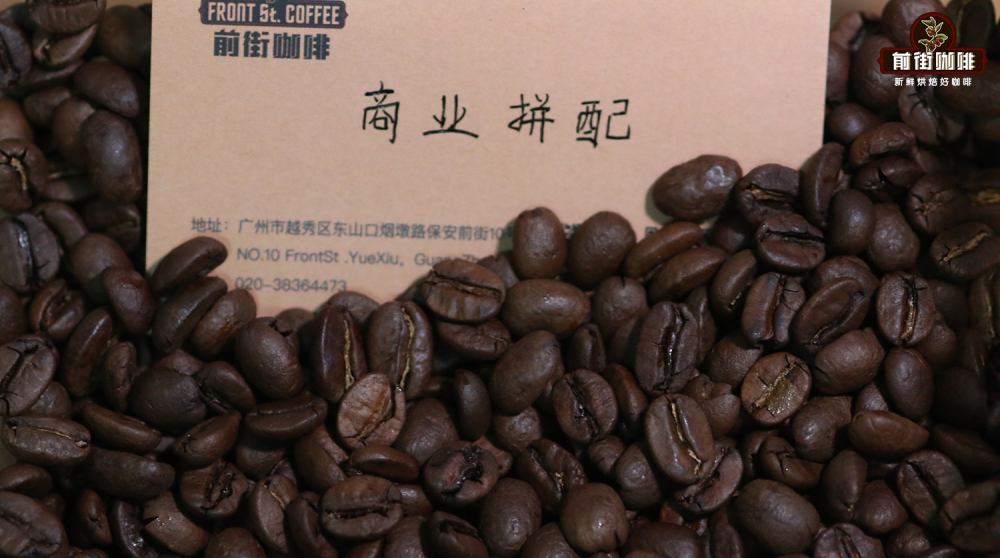
Comparison of Eight Coffee Bean Roast Levels|How do different roast levels affect coffee flavor? What is the specific process for roasting coffee beans?
Anyone who drinks coffee regularly knows that coffee beans come in different roast levels, and the flavor and mouthfeel they present are all different. As a café that roasts its own beans, Front Street has dozens of batches of coffee beans to roast every day. We know the flavors of light-roasted Yirgacheffe, medium-roasted Brazilian coffee, and the like like the back of our hand, and we also need to [more…]

Does Decaf Coffee Lose Flavor? A Complete Guide from Processing to Roasting Techniques
For people sensitive to caffeine, decaf coffee offers a choice that lets them enjoy the flavor of coffee without worrying about insomnia. But how exactly is caffeine removed from decaf coffee? Will the flavor suffer greatly after removal? Can it still reach specialty grade? From the perspective of Front Street Coffee, this article sorts out the historical origins of decaf coffee, three mainstream decaffeination processes (solvent extraction, carbon dioxide treatment, water treatment), analyzes the impact of each method on flavor and health, and shares the unique challenges and coping techniques of decaf coffee during roasting, helping coffee lovers fully understand the pros and cons of decaf coffee and the truth about its quality. [more…]
Front Street Jamaican Blue Mountain No. 1 Coffee: Flavor Interpretation of Typica Variety, Washed Processing, and CIB Roasting Standards
Front Street Jamaica Blue Mountain No. 1 coffee is renowned for its nutty notes reminiscent of dark chocolate, low acidity, and a smooth, mellow, aromatic cup. Behind this unique sensory profile lies a clear logic of variety, processing, and roasting. The core variety of Jamaica Blue Mountain is traditional Typica, which, thanks to the geographical advantages of the island, has escaped the ravages of leaf rust and preserved the authentic Typica dark chocolate flavor; fully washed processing brings a delicate and smooth texture; the Jamaica Coffee Industry Board (CIB) has strict regulations on roasting degree and procedures, ensuring its classic medium-roast style. This article will analyze the causes of its flavor from three dimensions—the variety origin, processing method, and roasting requirements of Front Street Blue Mountain coffee—while retaining relevant product information for the Front Street brand. [more…]
Wuyi Rock Tea vs. Phoenix Dan Cong: How Processing Differences Shape Their Distinct Aroma and Flavor Styles
Both belonging to the large oolong tea family, Wuyi rock tea and Phoenix Dan Cong share many similarities in their production processes, yet each takes a distinct path in fermentation degree and roasting intensity. Rock tea leans toward emphasizing body and seeking aroma, while Dan Cong excels at emphasizing aroma and seeking body. The former undergoes more thorough and complete leaf shaking, while the latter is relatively lightly processed, resulting in a significant divergence in mouthfeel richness and aromatic expression. This article will systematically break down the primary and refining processes of both, and deeply analyze how key techniques such as double pan-firing and double rolling, and slow simmering over low heat, impart rock tea its unique character, while also revealing the logic behind Phoenix Dan Cong's light fermentation and light roasting that highlights floral aromas. Whether you are a rock tea devotee or a Dan Cong enthusiast, you will gain a clear understanding of the craftsmanship. [more…]
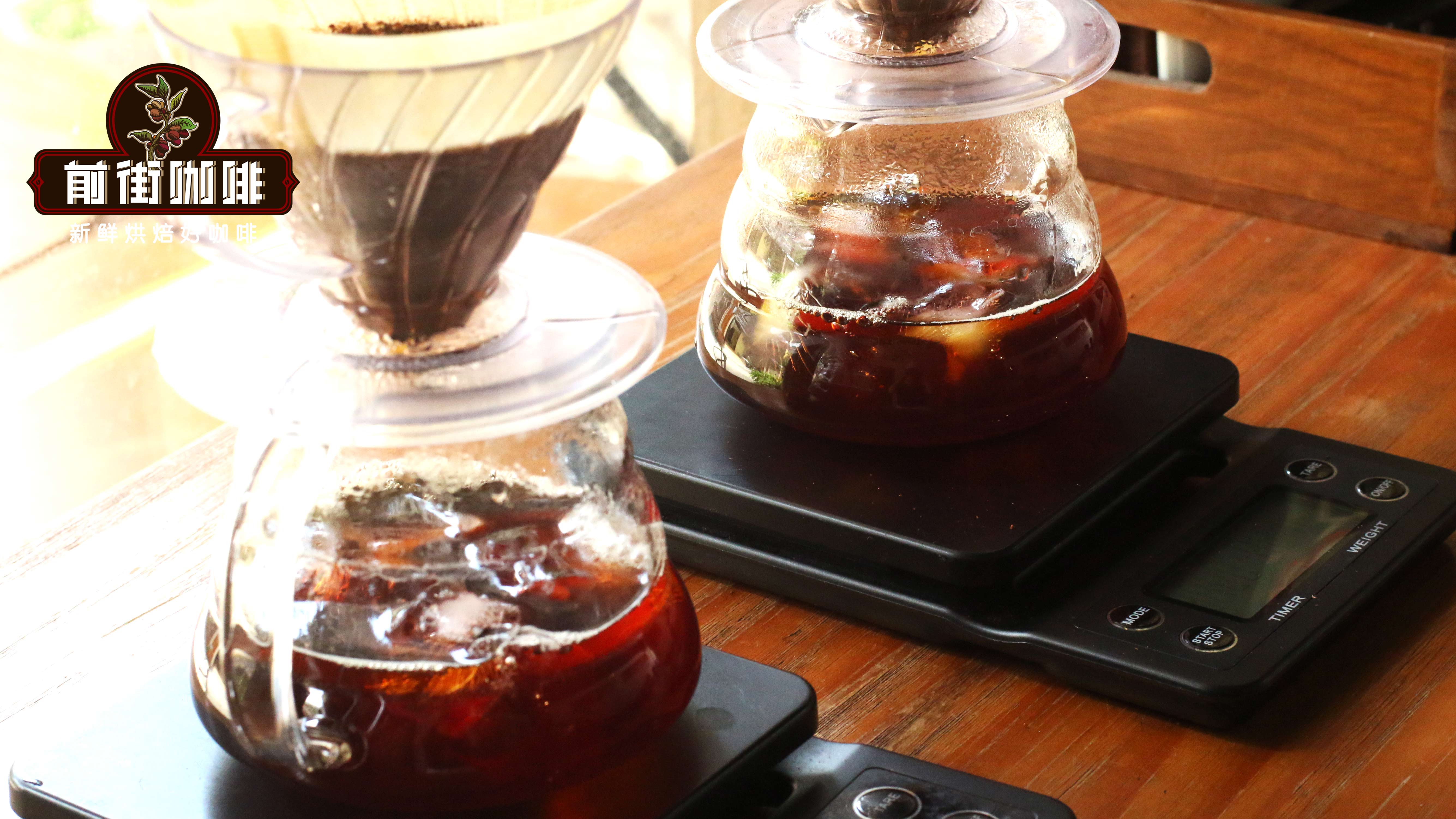
A Beginner's Guide to Choosing Hand-Drip Coffee Beans: A Complete Approach from Origin and Processing Method to Roast Level and Budget
First time trying pour-over coffee, and faced with a dazzling bean list, how should you get started? This article begins with the Coffee Belt, guiding you through the flavor differences among African, American, and Asian origins, then delves into how processing methods such as natural, washed, honey, and anaerobic affect the taste, and next analyzes which beans suit light, medium, and dark roasts respectively, finally offering practical advice for beginners on budget and everyday beans. It retains several representative single-origin recommendations from Front Street Coffee to help beginners gradually build their own flavor map. [more…]
A Beginner's Guide to Choosing Beans for Pour-Over Coffee: Origins, Processing Methods, and Roast Levels Explained
Friends who are just getting into pour-over coffee often feel overwhelmed by the dazzling array of coffee beans and don't know where to start. From the professional perspective of Front Street, this article systematically lays out a complete approach to bean selection for beginners: first understand the distribution of the world's coffee-growing belt, then narrow down to African, American, or Asian origins based on personal taste preferences, next learn how different processing methods—natural, washed, honey, and anaerobic fermentation—affect flavor, and finally make a comprehensive judgment by considering roast level and budget. The article also specifically recommends several Front Street everyday beans suitable for beginners, helping you build an understanding of the foundational flavors of each origin while practicing your brewing. [more…]